#Sponsored

Tuesday, April 14, 2020

Generation C Has Nowhere to Turn Recent history suggests young people could see their careers derailed, finances shattered, and social lives upended. By Amanda Mull

When ananay arora looks off his balcony, he doesn’t see much these days. From his high-rise apartment, which he shared with three roommates before one of them moved back to Taiwan a few weeks ago, he has a view of Arizona State University’s campus, where Arora is currently a sophomore majoring in computer science. It’s usually full of life, but like most colleges across the country, ASU canceled in-person classes in mid-March. “Everyone’s gone home. Nothing is going on,” he told me. “It’s kind of depressing.”
Like a lot of young people waiting out the coronavirus pandemic, Arora is contemplating his future, which includes a prestigious internship at Apple meant to begin in May. That’s why he stayed in his off-campus apartment instead of heading back to live with his parents in India. “If my internship happens and there’s a travel ban, I wouldn’t be able to get back,” he said. It’s not just a summer job: In the tech industry, being a good intern is by far the best way to get a coveted job offer after graduation. “Getting an [internship] interview is hard,” Arora explained. “If my internship gets completely canceled, I don’t know if any company is going to interview me again.”
In the face of enormous uncertainty, Arora and his classmates Kaan Aksoy and Devyash Lodha created ismyinternshipcancelled.com, which lets students submit what they know about various companies’ plans and keep track of which ones are still planning to bring on new people, and if they are, whether those internships can be done remotely. Arora says that in the few days since he and his friends launched the site, which currently lists more than 300 companies, thousands of people have visited.
For healthy young people like Arora—who seem much less likely to have severe complications with COVID-19 than their elderly counterparts—living through a months-long quarantine and the deep economic recession likely to come after it will have consequences all its own, most of which, for the moment, are unknowable. It’s hard to imagine the future of this cohort in any detail, beyond the fact that their lives will be, in at least some ways, profoundly different from what they might have been. While writing about how the pandemic might eventually end, my colleague Ed Yong posited that babies born in the post-coronavirus era, who will never know life before whatever enduring changes lie ahead, might be called Generation C.
But Generation C includes more than just babies. Kids, college students, and those in their first post-graduation jobs are also uniquely vulnerable to short-term catastrophe. Recent history tells us that the people in this group could see their careers derailed, finances shattered, and social lives upended. Predicting the future is a fool’s errand even when the world isn’t weathering what looks to be an epoch-defining calamity, but in the disasters of the past lie clues that can begin to answer a question vital to the lives of millions of Americans: What will become of Generation C?
Once people are let out into the world to rejoin their lives, the pandemic will continue to harm them for years to come. “Epidemics are really bad for economies,” says Elena Conis, a historian of medicine and public health at UC Berkeley, laughing slightly at the understatement. “We’re going to see a whole bunch of college graduates and people finishing graduate programs this summer who are going to really struggle to find work.” If you’re willing to risk your life to mop hospital floors or fetch abandoned carts in grocery-store parking lots, a paycheck, however meager, is certainly in your future.
For Americans who either can’t do those jobs or aren’t desperate enough to try them, little relief is coming, relative to what other rich nations are doing for their populations. In Denmark, the government is paying up to 90 percent of employees’ salaries to keep businesses afloat and ensure that people have jobs when the pandemic ends. In the United Kingdom, the government will cover up to 80 percent of workers’ wages. In the United States, onetime relief checks of up to $1,200 per person are coming in the months ahead for people who had certain income and tax statuses in previous years, as well as expanded unemployment insurance for those who have lost work. But that’s only if you can successfully navigate the glutted, byzantine systems required to sign up for unemployment benefits. No one seems to know how the protections for gig workers are supposed to function or how small-business owners should obtain the loans they were promised. In the meantime, rent is still due.
These economic conditions are dangerous for nearly all Americans, but older people are more likely to have stable professional lives and finances to help cushion the blow. People just starting out now, and those who will begin their adult lives in the years following the pandemic, will be asked to walk a financial tightrope with no practice and, for most, no safety net. Fewer of them will be able to turn to their parents or other family members for significant help: Even in the relative boom times of the past few years, 40 percent of Americans didn’t have the cash on hand to weather a $400 emergency expense. With the financial losses and medical debt millions of American families will accrue over the course of the pandemic, even that modest flexibility will likely be lost for many.
Because American life has changed so much in the past generation or two, as Conis notes, it’s hard to draw neat comparisons between what’s happening now and how polio or the Spanish flu affected the country’s workers. Much more of the American labor force is college-educated than in the past. The kinds of work Americans do have shifted away from manufacturing and physical production and toward the service and digital realms. Labor unions have been gutted and workplace protections rolled back, exposing individuals to risks they might not have had to worry about a generation ago, when it would have been harder, for instance, for a company to convert a full-time worker into an “independent contractor” to avoid providing health care or paid time off. Resources are more concentrated among a slender share of the ultra-wealthy than they have been in generations. “There are aspects of history that repeat themselves, but what’s more true is that every epidemic takes place in its own context,” Conis told me. “This is a unique viral agent and a unique social and cultural context, and economic context, too.”
To gauge what’s in store for job-seekers, it might be most useful to look to a different, more recent kind of disaster: the 2008 financial collapse. More than a decade later, its effects are widely understood to have been catastrophic to the financial futures of those who were in their teens and 20s when it hit. Not only did jobs dry up, but federal relief dollars mostly went to large employers such as banks and insurance companies instead of to workers themselves. Nearly 10 million people lost their homes, and investors picked off dirt-cheap foreclosures to flip them for wealthier buyers or turn them into rentals, which has helped rising housing prices far outpace American wage growth. Millennials, many of whom spent years twisting in the wind when, under better circumstances, they would have been setting down the professional and social foundations for stable lives, now have less money in savings than previous generations did at the same age. Relatively few of them have bought homes, married, or had children.
Just as the nation’s housing stock moved into the hands of fewer people during the Great Recession, small and medium-size businesses might suffer a similar fate after the pandemic, which could be a nightmare for the country’s labor force. Local pharmacies, mom-and-pop restaurants, and other small businesses have been struggling to stay open for years, and now many of them could disappear, leaving people with few choices but to get their lunches and prescriptions from giant corporations. Amazon’s vast logistics network and labor pool have already given the company a decided advantage over smaller or regional retailers. With many local businesses closed or viewed as potential vectors of disease, pandemic conditions have already funneled more money to Amazon and its large-scale competitors, including Walmart and Costco.
American restaurants, which employ millions, have been devastated by quarantine restrictions, but national chains such as Papa John’s and Little Caesars are running television ads touting the virus-murdering temperatures of their commercial ovens, and some of them intend to hire thousands of workers to meet increased demand. The private-equity behemoth Bain Capital is making plans to gobble up desirable companies weakened by the pandemic. The effect could be a quick consolidation of capital, and the fewer companies that control the economy, the worse the economy generally is for workers and consumers. Less competition means lower wages, higher prices, and conglomerates with enough political influence to stave off regulation that might force them to improve wages, worker safety, or job security.
This outcome isn’t a foregone conclusion. America is still in the early days of crisis response, and can still avoid some of the mistakes the country made during the Great Recession. Unfortunately, the people in power don’t seem to have the will to help workers or small businesses. Even New York City, which relies heavily on hotels, bars, restaurants, and tourists to keep its local economy humming, has provided few resources to keep those businesses afloat and their workers paid until people can once again meet for happy hour or line up to attend Comic Con.
When an economic downturn hits and few professional opportunities exist, one of modern America’s most reliable post-disaster patterns begins to emerge: People go to school, whether to learn a trade or get a doctorate. It can be tempting to hope that education will solve problems of economics, and that people will simply gain enough skills to get better jobs and earn more money. But as with virtually all problems, grad school is not the answer to whatever the coronavirus might do to your future.
Even so, Reggie Ferreira, a social-work professor and the director of the Disaster Resilience Leadership Academy at Tulane University, told me he expects there will be “definitely an increase” in people seeking education post-quarantine, taking advantage of loan availability to acquire expertise that might better position them to build a stable life. Millennials did the same thing in the aftermath of the 2008 crash, taking out loans in record numbers to deal with the soaring cost of things like law school. They couldn’t have known it at the time, but those decisions have since worsened their economic strain, while not significantly improving professional outcomes.
But that uptick in education for young Americans is probably a year or two in the future, once it’s safe to venture into classrooms once again; for right now, much of that pursuit is on hold. Ferreira said that Tulane’s admissions for next year are down, part of a squeeze being felt across higher education because of the coronavirus. Many more incoming freshmen are considering taking a “gap year” before beginning college than is typical in the United States, according to a survey last month that also found that as many as 80 percent of high-school students don’t feel confident that they’ll be able to enroll in their first-choice school. Private universities may suddenly be too expensive, and frequent plane rides to faraway colleges might seem much riskier. Mass delays will affect things like school budgets and admissions for years, but in ways that are difficult to predict. As Conis, the historian, explained, there is no precedent for a life-interrupting disaster of this scale in America’s current educational and professional structures.
Ananay Arora, stuck in his apartment at Arizona State, is able to take classes and work at his on-campus job from home, but he says that everyone he knows is worried about how their grades will suffer, including him. Schoolwork, it turns out, is hard to focus on during a slow-rolling global disaster. Many types of classes don’t work particularly well via videochat, such as chemistry and ecology, which in normal times often ask students to participate in lab work or go out into the natural world. Some of Arora’s work-study responsibilities involve computer hardware that he just can’t access right now. “Unless we figure something out, I don’t think we can stay working like this or living like this for long,” he told me. “I just hope recruiters understand the situation and cut us some slack, but I’m not sure they will.”
The future toll for kids in earlier stages of education, who are also part of Generation C, could be significant too. The value of school isn’t just in reading textbooks and doing homework, but in learning how to be a person: making friends and playing with classmates, celebrating playground victories and learning to accept disappointment, developing first crushes and experiencing first heartbreaks. For kids with unstable home lives, going to school also offers affection and support from trustworthy authority figures and friends, as well as hot meals or a respite from abuse. A Zoom video call with 20 6-year-olds might sound cute, but research has found that even in situations where distance learning is well planned and well funded, it doesn’t produce nearly the same results as in-person instruction. Now, given that systems have been set up on the fly, parents are expected to both work and supervise lessons, and many children are without home internet access or computers, the outcomes are likely to be much worse.
“People with a resource base and finances and so forth, they’re going to get through this a whole lot easier than the families who don’t even have a computer for their children to attend school,” says Steven Taylor, a psychologist at the University of British Columbia and the author of The Psychology of Pandemics. Disasters, he told me, tend to illuminate and magnify existing disadvantages that are more easily ignored by those outside the affected communities during the course of everyday life.
Disasters also make clear when disadvantages—polluted neighborhoods, scarce local supplies of fresh fruits and vegetables, risky jobs—have accumulated over a lifetime, leaving some people far more vulnerable to catastrophe than others. In Michigan, the victims of COVID-19 are disproportionately black people. In Chicago, black residents are dying from the disease at a rate nearly six times that of their white counterparts. In New York, the hardest-hit neighborhoods are where poor and working-class people, many of them immigrants, live in greater numbers. Children in those communities already have a harder time accessing quality education and getting into college. Their future prospects look dimmer, now that they’re faced with technical and social obstacles and the trauma of watching family members and friends suffer and die during a pandemic. Many people who ended up in SARS quarantine in the early 2000s, Taylor noted, had symptoms of post-traumatic stress disorder when they were released. Kids who survived Hurricane Katrina experienced rates of PTSD similar to those of military veterans.
If disasters of the past have anything to teach us about the future, it's that in moments of great despair, people’s understanding of what’s possible shifts. For that to translate to real change, though, it’s crucial that the reactions to the new world we live in be codified into policy. Clues to post-pandemic policy shifts lie in the kinds of political agitation that were already happening before the virus. “Things that already had some support are more likely to take seed, because those ideas had already been circulating, and there may already be policy or program ideas that have been developed and were either waiting in the wings or looking for traction,” Caela O’Connell, an environmental anthropologist at the University of North Carolina, explains.
This is where young people might finally be poised to take some control. The 2008 financial crisis appears to have pushed many Millennials leftward as its effects dashed their hopes of the stable, successful future they had only just begun to create. When housing prices soared, wages stagnated, and access to basic health care became more scarce, many young people looked around at the richest nation in the world and wondered who was enjoying all the riches. Policies such as Medicare for All, debt cancellation, environmental protections, wealth taxes, criminal-justice reform, jobs programs, and other broad expansions of the social safety net have become rallying cries for young people who experience American life as a rigged game. For current high-school and college students, who were already broadly friendly to these ideas, the pandemic’s quick, brutal explication of the ways employment-based health care and loose labor laws have long hurt working people might make for a formative disaster all its own.
“There’s a possibility, particularly with who you’re calling Generation C, that their experience of the pandemic against a backdrop of profoundly fragmented politics could lead to some very necessary revolutionary change,” Monica Schoch-Spana, a medical anthropologist at the Johns Hopkins Bloomberg School of Public Health, told me. In particular, she notes a potential changing of the electoral guard. The seeds of that change might have already been planted in the 2018 midterm elections, when young voters turned up in particularly high numbers and helped elect a group of younger, more progressive candidates both locally and nationally.
Younger people “aren’t saddled with Cold War imagery and rhetoric. It doesn’t have the same power over our imaginations,” Schoch-Spana said. That doesn't mean young people favor Soviet authoritarianism. It just means a subset of young voters believes that some American conservatives have cried wolf, deriding everything from public libraries to free doctor visits as creeping socialism until the word lost much of its power to scare.
If the broad support among young people for the leftist presidential candidate Bernie Sanders is any indication, the one-two punch of the Great Recession and the coronavirus pandemic—if handled poorly by those in power—might be enough to create a future America with free health care, a reformed justice system, and better labor protections for working people. But winds of change rarely kick up debris of just one type. The Great Recession opened the minds of wide swaths of young Americans to left-leaning social programs, but its effects are also at least partially responsible for the Tea Party and the Trump presidency. The chaos of a pandemic opens the door for a stronger social safety net, but also for expanded authoritarianism.
Beyond politics and policy, the structures that young people have built on their own to endure the pandemic might change life after it, too. Young Americans have responded to the disaster with a wave of volunteerism, including Arora’s internship-information clearinghouse and mutual-aid groups across the country that deliver groceries to those in need. The impulse to help out in a crisis is a hallmark of community resiliency, and this is likely the first opportunity many people in Gen C have had to devote much time to serving others. Learning firsthand about the value of sharing resources and caring for your neighbors could help the next generation of adults reverse some of the trends toward loneliness and alienation that have quietly devastated millions of people in recent decades.
As strong as people’s reactions are in the middle of a crisis, though, people tend to leave behind the traumatic lessons of a disaster as quickly as they can. “Amnesia sets in until the next crisis,” Schoch-Spana said. “Maybe this is different; maybe it’s big enough and disruptive enough that it changes what we imagine it takes to be safe in the world, so I don’t know. Who knows? We have to get on the other side of the tunnel to find out.” Eventually, when America reemerges into the light of day, the work of creating the future will begin in earnest.

Dear Therapist: I’m Losing Patience With My Boyfriend in Quarantine I used to daydream about spending more time with him, but now his habits are starting to get on my nerves. by LORI GOTTLIEB

Dear Therapist,
I always used to daydream about spending more time with my boyfriend. We have been together for more than two years, and although we live together, we both have busy work lives. He is a chef and restaurant owner who is out of the house from 9 a.m. until after midnight most days, and I work long hours in the film industry.
Before the coronavirus pandemic, we used to spend an hour at the end of each day catching up about our lives. Sundays, which we both had off, used to feel like special occasions, and we would make the most of them by spending quality time together.
My boyfriend is autistic, and it took me a while to appreciate the ways in which he is different from me. Most of the time I admire his outlook on life, but during this time in isolation together, I’ve begun to find him irritating in a way I’m not used to. He tends to repeat himself when he feels anxious, so we have had many daily conversations about the coronavirus, his cooking, and what our plans are for the next few days. I feel that his anxiety is making him get stuck in his own head, so while he is more than happy to talk about his thoughts, he is rarely ready to listen, and often distracted. I miss the days when we used to talk about other things— cinema, literature, psychology, and our feelings. I have spoken with him about this, but it hasn’t made a difference yet.
What’s more, he is used to having a structured schedule and working under pressure, but now he doesn’t know where to channel his excess energy and instead tries to remain productive with a long to-do list. I usually like to be productive as well, but something about his need for structure annoys me now—maybe because I recognize it in myself—and I’ve been condescending toward him. To complicate things, we are staying with his mother, and I find it difficult to contain my anger in front of her. It comes out passive aggressively instead.
This time spent under the same roof is showing me the problematic aspects of our relationship, and making me question whether this is really the right fit. I have wondered this at times before. For the most part, I feel like I am with someone special who “gets me” and makes me happy, but now I’m second-guessing myself and wondering what all of this dissatisfaction really means.
Anonymous
London

Dear Anonymous,
Many couples are feeling challenged right now as they adjust to close quarters and 24/7 togetherness during what is already a stressful time. What were once unremarkable or easily tolerated habits become major annoyances; innocuous comments are perceived as acts of aggression; and differences in personality or perspective suddenly call couples’ compatibility into question.
Now is not the moment to make big decisions about a relationship—these kinds of decisions are best made from a place of calm thought and reflection. What this time does offer, however, is a great opportunity to learn something new about yourself and your boyfriend—because it’s in crisis that we are most revealed. Instead of focusing on what your boyfriend is doing during this crisis, I want you to get curious about what you’re doing.
Both of your routines have been upended by the pandemic, and given the intensity of your regular work schedules and the significant role that your jobs played in both of your lives, you’re having to make major adjustments. What you seem to have in common is that you thrive on work and structure, so it makes sense that now having long expanses of open time is going to affect both of you—but perhaps in different ways. This last point is important, because while most people get together because of what they have in common, the strength of a relationship tends to be determined by how people tolerate their differences.
Many couples are finding that whatever differences existed between them before the pandemic are now amplified. With my therapy clients, I’ve seen manageable differences between a partner who’s more laid-back and the one who’s less so turn into battles about who’s “overreacting” or “underreacting” to the coronavirus based on how many times a day counters are cleaned and hands are washed. I’ve seen people who generally cope well with differences in temperament—one person prefers more alone time and quiet; one prefers more interaction—completely lose it in irritation with the other person.
And I’ve seen couples who truly enjoy spending time together getting annoyed by repeated anecdotes, jokes, and mundane observations because they have none of the normal breaks—from each other, from the monotony of being home all the time—that used to give those conversations a sense of freshness. Isolation also places a tremendous burden on coupled people to meet all the needs of their partner that used to be met by a combination of friends, family, co-workers, and even small talk with the barista at Starbucks.
In other words, it’s natural that your relationship feels harder than usual right now, but the song of a relationship has many notes, and especially during stressful times, hearing them all is important.
Often in therapy, I’ll pay close attention to the first thing someone says about a partner, so what struck me most about your letter was how it began—with a wish, in normal circumstances, to spend more time with your boyfriend. It was a lovely sentiment, a daydream about being with each other, and one that supports something you wrote later: that your boyfriend makes you happy, he understands you, and you consider him to be a special person whose company you enjoy.
This isn’t to say that you were never irritated by him before (and he was likely sometimes irritated by you as well), or hadn’t ever questioned the relationship. But I also sense that you used to feel seen and heard in a different way than you do now (if he normally “gets you,” you must have felt listened to before), and that whatever aspects of the relationship led to those questions were outweighed by its positive qualities. Don’t forget, too, that focusing your anxiety on what’s “wrong” with your relationship might be easier than allowing yourself to feel even greater anxiety about a global pandemic.
Ultimately, I don’t think you can know if this is the right relationship for you until you come to understand both yourself and your boyfriend better in this stressful time and in the transition that comes when we emerge from it. I have a few suggestions for how to do that.
First, you mention your boyfriend’s autism diagnosis, and some people with autism do have difficulty reading other people’s cues or having their daily structure disrupted. I want to caution you, though, to be careful not to attribute to autism whatever behaviors irk you, and also to consider that autism is a wide spectrum. If you default to viewing your boyfriend through the lens of autism, you may lose sight of the person right in front of you. Many people—neurotypical or not—fail to notice at times that they’re talking too much or aren’t making space for their partner. Also, many people without a diagnosis of autism are struggling with the loss of their daily routines. If you can view your boyfriend as a person with his own personality and quirks, just as he must view you as someone with your own personality and quirks, you'll be helping yourself not only during this pandemic but also when things normalize as well.
Second, during hard times, current stressors commonly trigger memories of a past stressful time. Ask yourself, Does the present situation remind me of another stressful time in which I felt unheard or angry? Consider, too, that in addition to the change in your work lives and time spent in close quarters, you’re temporarily living with his mother. Anyone who has ever gone home for the holidays knows that it’s easy to regress to a younger state in the presence of one’s parent. I’m sure that being in this new living situation is hard for you, but you might also get curious about how it’s affecting your boyfriend.
I realize that I’m asking you to ask him more about himself, when you’re the one who doesn’t feel heard. But the best way to get someone to listen to you is to listen to them first—which means not resentfully or half-heartedly hearing their words, but making the person “feel felt,” as we say in therapy. Some people repeat themselves because they don’t feel as if the person truly heard them the first dozen times. There’s a good chance that if your boyfriend feels truly understood by you—which will regulate his anxiety—he’ll be less distracted and more able to hear what your needs are as well.
Some practical things you can do to try to normalize the relationship during this time include reaching out to friends on FaceTime so that you don’t rely on your boyfriend for all of your emotional needs; creating a routine that works for you so that you aren’t so focused on his (this should include taking care of yourself and doing activities you enjoy); and trying to get outside and take a walk each day, either with your boyfriend or alone. Spend time apart in separate rooms and do different things so that there’s a newness when you come back together. Have a date night by ordering takeout and watching a movie together so that you don’t neglect the romantic aspect of your relationship (including physical intimacy). And make an effort to notice what your boyfriend is doing well or that you appreciate, even if it’s small.
Dealing with a global crisis adds stress to many relationships, but it creates a great opportunity for growth as well. We don’t have control over much right now, but how willing we are to examine our role in what’s not working and take action to make things better—that’s one choice we all still have.

After the Pandemic, the Office Dress Code Should Never Come Back Are “fancy” sweatpants here for good? by AMANDA MULL

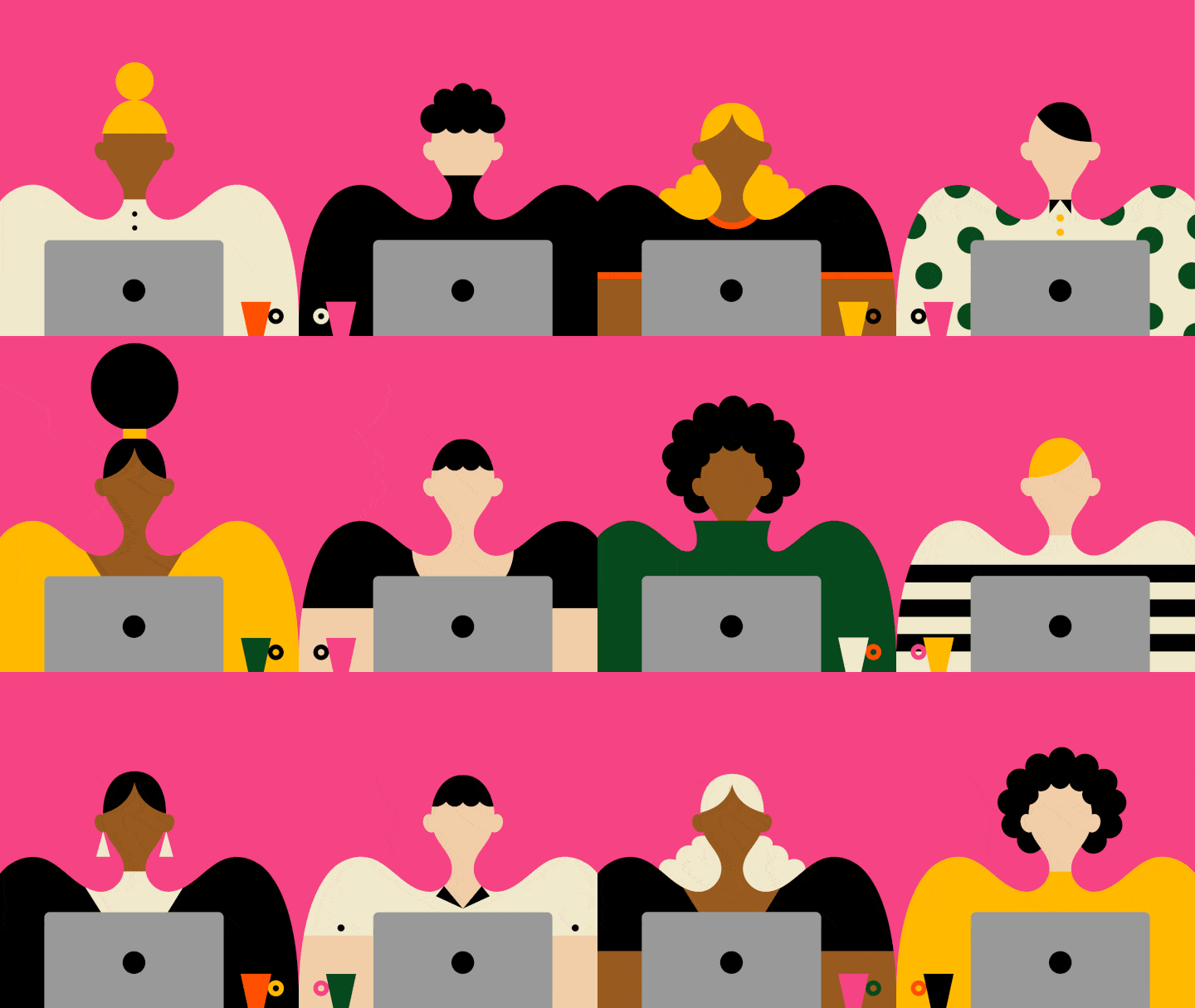
image of people working on computers
Being online has many rules. Some of the more exciting or distressing ones have names—Godwin’s Law, about the inevitability of someone invoking Hitler during an internet argument; Rule 34, which guarantees the thematic completeness of the web’s pornography. But mostly, the internet’s rules are just de facto guidelines for what to expect in this or that circumstance—observations rather than codifications. Among the most reliable and least frequently noted of these is that wherever people gather to chat about anything, the conversation will eventually turn to the problem of what to wear to work.
In subreddits dedicated to accounting, engineering, and New York City, people ask to see others’ work outfits or for descriptions of their employee dress code. In Facebook groups about weight loss or motherhood, inquiries abound on where to get an inexpensive black blazer, and who makes the best office-appropriate cropped pants. On Hacker News, a message board for Silicon Valley tech workers, a man in his late 30s recalled being humiliated by the CEO at his new job for daring to wear a button-down shirt among his cargo-shorts-clad co-workers. On Yahoo Answers, the world’s least qualified people have been meting out bad advice on twinsets and shin-length skirts to confused 23-year-olds since 2005.
In theory, the question of what to wear to work shouldn’t pose an unanswerable dilemma. Most workplaces have at least some kind of dress code, and for many of those who greet customers and perform service jobs, a specific uniform is required. Even in the most ambiguous situations, context clues abound on the bodies of colleagues: If no one ever wears jeans, you probably shouldn’t either. But the agita over how to groom yourself for work—hair straight or curly? cover your tattoos or live in the year of our Lord 2020? leggings as pants?—appears to afflict baristas, lawyers, cops, and the denizens of suburban office parks in roughly equal measure.
Much of that confusion is the result of rapid change. Millennials, notorious murderers of American institutions and social norms, are now the largest generation in the country’s workforce. As the oldest members of that group, people in their late 30s, accrue power in their organizations, they’ve started to reshape the meaning of “work clothes” in their image—upending the very idea of a dress code as a single standard to which all should aspire. When they’re done, work clothes might be dead for good. Whether that future looks like a descent into midriff-baring anarchy or a sweet reprieve from the tyranny of binding waistbands probably depends on whether you’re a person who makes rules or one who is subject to them.
In the American imagination, the standard for professional work wear has long been a suit or a conservatively tailored dress, even for workers who don’t go into an office. That’s largely held true despite the successful invasion of “business casual,” jump-started by Dockers as a marketing gambit in 1992. That many of the world’s most profitable companies—Google, Facebook, and Apple among them—allow employees to come to work in jeans and sweatshirts all week has yet to meaningfully destabilize that perception. With that in mind, at the beginning of every new term, Regan Gurung shows up to teach his psychology students at Oregon State University in a full suit and tie.
Gurung is also taking a cue from his own work. According to two studies he conducted, women, at least, are rated by others as more competent when they wear formal attire. And we actually act as though dress influences our abilities: Subjects clad in white lab coats perform better on tests than those without them (though the experiments were conducted with undergrads who didn’t wear lab coats regularly, so it’s hard to tell how enduring the effect would be once the novelty fades). The gap between our internalized notions about professionalism and what a company’s dress code says is why going to work in shorts still causes anxiety that pushes some people onto Reddit and Facebook with their skittish inquiries about what to wear. If a polo shirt is fine, wouldn’t a button-down be even better? If everyone around you at a start-up is wearing ripped jeans, wouldn’t a dress from Ann Taylor stand out in a good way? Is your company’s dress code just a secret test of high-level reasoning skills designed by fiendish bosses?
The association between competence and traditional dress is so durable, in part, because for years mass media have told us that machers wear well-cut suits or prim sheath dresses in neutral tones. Had our first glimpses of Mad Men’s Don Draper or Scandal’s Olivia Pope caught them in cutoffs and a raggedy souvenir T-shirt from spring break, their world-beating dominance might not have been as evident. In a twist in the we-are-what-we-wear story, researchers at Harvard identified what they called the red-sneakers effect. It posits that as long as the person ignoring workplace guidelines is perceived to be doing it purposefully, evaluations of that person improve—think Mark Zuckerberg and his “fuck you” hoodies in early Facebook business meetings. After all, there’s no greater power than being exempt from the rules that govern everyone else.
For the people roaming the internet second-guessing how comfortable they can really get at work, Gurung has good news, in the form of another psychological bias—toward the persistence of first impressions. “If your first impression is a good one and shows you’re taking the job seriously, the association between being dressed well and credibility and knowledge is strong enough that what you do later doesn’t matter as much,” he explains. As long as you don’t draw too much attention to yourself by being bad at your job or making your co-workers miserable, you can safely start wearing that one sweater you love that’s sort of like a fancy bathrobe. Most studies on clothing perception, after all, deal with snap judgments about strangers. Gurung’s first-day suit? It’s just for show. “Literally by week two, I no longer wear a jacket,” he says. By the end of the term, he’s tie-free, shirtsleeves rolled up.
It’s no secret that there’s a rising premium on “being yourself, being an individual, bringing your full self to work, broader expression of who you are,” says Scott Cawood, the CEO of WorldatWork, a global association for human-resources professionals. (WorldatWork, he notes, doesn’t have a dress code.) He traces the codes’ modern existence back to the Industrial Revolution, when standardized, indoor workplaces became the new normal. Before that, laborers were freer to dress in ways that suited their duties, often on family farms, and had smaller wardrobes to begin with. No one had to consider whether yoga pants were appropriate for gathering the day’s eggs.
As the norms we know now were developed, the people in power made them in accordance with their own preferences. “You traditionally had men in the C-suite, and they had certain conceptions of how men and women should look. That’s why there was so much concern about can you wear skirts, can you wear pants,” Cawood says. Some of those rules are still enforced in workplaces that prize formality—fine-dining establishments, white-shoe law firms, Congress—including guidelines about hosiery, makeup, and women’s hairstyles. Doing away with these standards is a question not just of gender, but of class: The more comprehensive the expectations for presentation, the more resources required to meet them, and buying a closetful of work wear is a lot more expensive than just using what you already own.
Racial bias, or at least blind spots, has also been embedded in dress codes, perhaps most notably in prohibitions on hairstyles popular among black people, such as braids and afros. “It’s a lack of perspective or empathy,” says Angela Hall, an associate professor at the Michigan State University School of Human Resources and Labor Relations—a thoughtlessness about what might make someone else’s life more complicated. But of course, the impact can be far less benign: Employment law is riddled with cases like that of a black woman who in 2010 had a job offer rescinded because she refused to cut her dreadlocks; the company’s dress code stipulated only that hairstyles be businesslike, professional, and not “excessive.”
Hall notes that changes to work itself have spurred a reconsideration of what constitutes “work clothes.” On the day we spoke, schools in East Lansing were closed for a snowstorm, so she was working and parenting simultaneously. And the more that work leaves the office—an evolution that may well be accelerated by the coronavirus—the harder it becomes to associate work with a particular mode of dress. The growing pains of that process have already created an icon of the contemporary workplace, however aesthetically unfortunate: the Patagonia power vest.
The seepage of work beyond the office is one of the defining experiences of modern employment—and from one perspective, the erasure of dress codes isn’t helping. In the past, you could come home and take off your uniform or office attire with the knowledge that you were totally free until the next day, mentally and physically. Now many people wear the same jeans they wore to work to cook dinner, cellphone and laptop never too far from reach, the mind and body never totally disconnected from labor.
Even the mass entertainments that have made the suit-and-tie look such an enduring shorthand for professionalism are beginning to fade, no doubt because the same young Americans who now constitute the majority of the broader labor pool have real influence in shaping what ends up on your screens. TV series such as Silicon Valley and Superstore depict occupational aesthetics as something closer to what they’ve been for millions of Americans for the past decade: people wearing the same clothes to their job that they’d wear to the movies or to lunch with a friend, sometimes complemented by a company-issued jacket or an ID-carrying lanyard.
Gurung, Cawood, and Hall all agree that the mandate for greater fairness in the workplace—spurred by nondiscrimination laws and the need to retain workers in a tight labor market—will likely spell the end of the dress code as we know it, sooner rather than later. For traditionalists, this might sound like an abandonment of pride and professionalism, but in reality, Cawood says, companies that overhaul, simplify, or drop their dress code rarely do anything but make their employees happier. Regulating bad behavior—everything from being a smelly desk neighbor to sexual harassment—doesn’t require rules about pantyhose or facial hair. Cawood points to General Motors as a model for policing how employees adorn themselves, even if it means managers actually have to manage. The entire dress code is two words: Dress appropriately.
Ultimately, what such simple dictates acknowledge is that workers are adults, not babies at productivity day care. “People just generally know how to self-govern, and I don’t think you need these archaic rules to punish that outlier that may or may not occur,” Hall said. “Just cover the things you want covered and call it a day.”

Millennials Don’t Stand a Chance They’re facing a second once-in-a-lifetime downturn at a crucial moment. by Annie Lowrey

An illustration of the letter M with torn images.
Hello, lost generation.
The Millennials entered the workforce during the worst downturn since the Great Depression. Saddled with debt, unable to accumulate wealth, and stuck in low-benefit, dead-end jobs, they never gained the financial security that their parents, grandparents, or even older siblings enjoyed. They are now entering their peak earning years in the midst of an economic cataclysm more severe than the Great Recession, near guaranteeing that they will be the first generation in modern American history to end up poorer than their parents.
It is too soon to know how the unfurling business-failure and unemployment crisis caused by this novel public-health crisis is hitting different age groups, or how much income and wealth each generation is losing; it is far too soon to know how different groups will rebound. But we do know that Millennials are vulnerable. They have smaller savings accounts than prior generations. They have less money invested. They own fewer houses to refinance or rent out or sell. They make less money, and are less likely to have benefits like paid sick leave. They have more than half a trillion dollars of student-loan debt to keep paying off, as well as hefty rent and child-care payments that keep coming due.
Compounding their troubles, Millennials are, for now, disproportionate holders of the kind of positions disappearing the fastest: This is a jobs crisis of the young, the diverse, and the contingent, meaning disproportionately of the Millennials. They make up a majority of bartenders, half of restaurant workers, and a large share of retail workers. They are also heavily dependent on gig and contract work, which is evaporating as the consumer economy grinds to a halt. It’s a cruel economic version of that old Catskill resort joke: These are terrible jobs, and now all the young people holding them are getting fired.
What little data exist point to a financial tsunami for younger workers. In a new report, Data for Progress found that a staggering 52 percent of people under the age of 45 have lost a job, been put on leave, or had their hours reduced due to the pandemic, compared with 26 percent of people over the age of 45. Nearly half said that the cash payments the federal government is sending to lower- and middle-income individuals would cover just a week or two of expenses, compared with a third of older adults. This means skipped meals, scuppered start-ups, and lost homes. It means Great Depression–type precarity for prime-age workers in the richest country on earth.
Recessions are not good for anyone, from infants to the elderly. Nor are pandemics. Americans born during this calamity will be more likely to have low birth weights and to be in poor health generally, with lifelong effects. Children will not just endure this trauma—manifested in lost months of schooling, skipped meals, housing volatility, and increased abuse—but will carry it with them. Zoomers graduating into the recession will die sooner because of it, suffering increased incidence of heart disease, lung cancer, liver disease, and drug overdoses in the coming decades; they will also earn less over the course of their lives. The elderly are likely to be the most economically insulated group but are facing the most terrifying health consequences.
Among adults the news isn’t good, either. And particularly not for those youngish-but-no-longer-young adults who came into this crisis already vulnerable, already fragile, already over-indebted and underpaid. The Millennials were left with scars during the Great Recession that never quite healed, and inherited an economy structured to manufacture precarity for the young and the poor and black and brown, and to perpetuate wealth for the old and the rich and white.
For the most part, kids of the 1980s and 1990s did it right: They avoided drugs and alcohol as adolescents. They went to college in record numbers. They sought stable, meaningful jobs and stable, meaningful careers. A lot of good that did. Studies have shown that young workers entering the labor force in a recession—as millions of Millennials did—absorb large initial earnings losses that take years and years to fade. Every 1-percentage-point bump in the unemployment rate costs new graduates 7 percent of their earnings at the start of their careers, and 2 percent of their earnings nearly two decades later. The effects are particularly acute for workers with less educational attainment; those who are least advantaged to begin with are consigned to permanently lower wages.
Slogging their way through the aughts, avocado toast in hand, the Millennials proved those miserable studies true. During the recession, half of recent graduates were unable to find work; the Millennials’ formal unemployment rate ranged as high as 20 or 30 percent. High rates of joblessness, low wages, and stagnant earnings trajectories dogged them for the following decade. A major Pew study found that Millennials with a college degree and a full-time job were earning by 2018 roughly what Gen Xers were earning in 2001. But Millennials who did not finish their post-secondary education or never went to college were poorer than their counterparts in Generation X or the Baby Boom generation. Economic growth, in other words, left the best-off Millennials treading water and the worst-off drowning.
Crummy wages collided with a cost-of-living crisis and heavy debt loads. The cost of higher education grew by 7 percent per year through the 1980s, 1990s, and much of the 2000s, far faster than the overall rate of inflation, leaving Millennial borrowers with an average of $33,000 in debt. Worse: The return on that investment has proved dubious, particularly for black Millennials. The college wage premium has eroded, and for black students the college wealth premium has disappeared entirely. While struggling to pay down their student loans, millions of younger Americans have also found themselves shut out of the real-estate market by housing shortages and attending sky-high prices. Rich Boomers bought the houses and made building new ones impossible. Millennials were forced to keep on renting, transferring wealth from the young to the old.
Put it all together, and the Millennials had no chance to build the kind of nest eggs that older generations did—the financial cushions that help people weather catastrophes, provide support to sick or down-on-their luck relatives, start businesses, invest in real estate, or go back to school. Going into the 2008 financial crisis, Gen Xers had twice the assets that Millennials have today; right now, Gen Xers have four times the assets and double the savings of younger adults.
Millennials now are facing the second once-in-a-lifetime downturn of their short careers. The first one put them on a worse lifetime-earnings trajectory and blocked them out of the asset market. The second is sapping their paychecks just as they enter their peak-earnings years, with 20 million kids relying on them, too. There’s no good news in a recession, and no good news in a pandemic. For Millennials, it feels like there is never any good news at all.

Monday, April 13, 2020

China stifles coronavirus research in apparent bid to control narrative, analysts say

China censoring research on COVID-19 origins, deleted page on Wuhan University website suggests

Are the Chinese hiding vital information on the coronavirus origins?
Two websites for leading universities in China seem to have published and then deleted academic research about the origins of the coronavirus, according to a report.
The posts on the websites of Fudan University and the China University of Geosciences (Wuhan) were erased from online caches -- in a possible bid to control the narrative surrounding the pandemic, The Guardian reported.
The Wuhan university appeared to have published and then deleted posts about academic research that China’s ministry of science and technology needed to approve before publication.
Similar apparent censorship turned up in the form of deleted posts originally published on April 9 by the school of information science and technology at Fudan University in Shanghai.
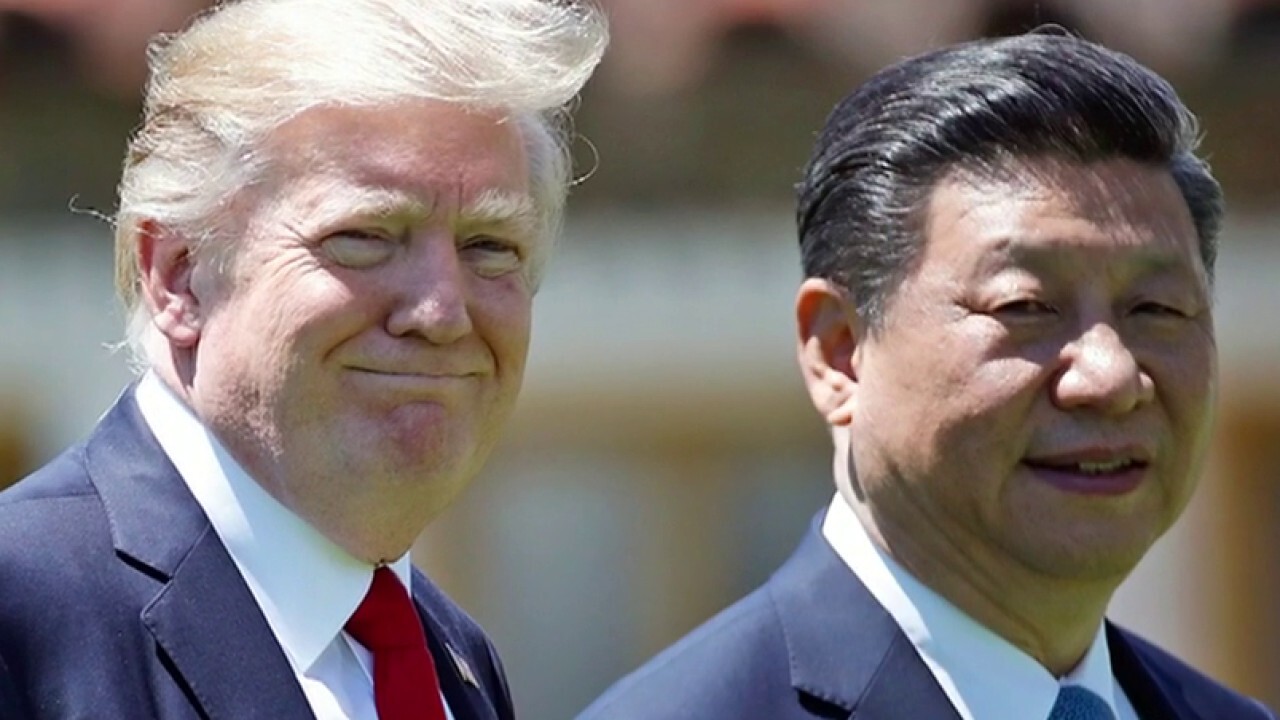
Coronavirus impact on US and China relationsVideo
“They are seeking to transform it from a massive disaster to one where the government did everything right and gave the rest of the world time to prepare,” Kevin Carrico, a senior research fellow of Chinese studies at Monash University, told The Guardian.
“There is a desire to a degree to deny realities that are staring at us in the face … that this is a massive pandemic that originated in a place that the Chinese government really should have cleaned up after SARS,” he added.
China’s science and technology ministry had announced on April 3 that academic researchers needed to report their coronavirus findings to officials within three days or be terminated.
The news outlet noted that China’s President Xi Jinping published an essay in March that included “tracing the origin of the virus” a national priority; the science and technology ministry referenced the essay shortly before the universities changed tunes.
On New Year’s Eve, China informed the World Health Organization of a “mysterious pneumonia outbreak” spreading through Wuhan, an industrial city of 11 million.
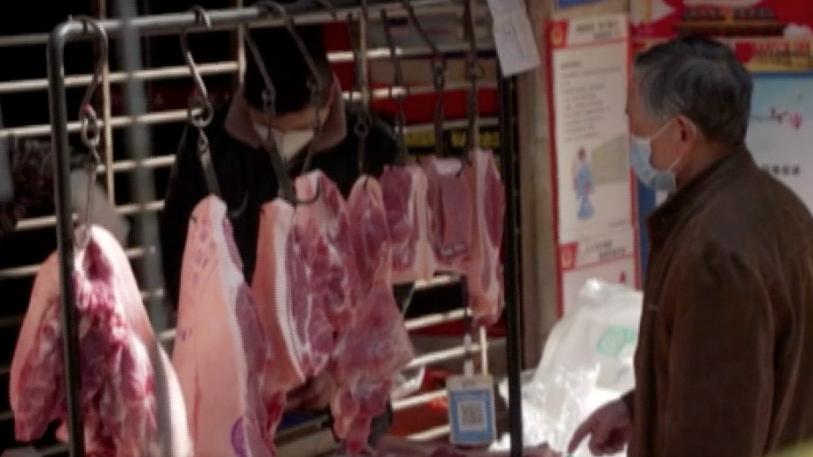
The government closed a seafood market at the center of the outbreak, moved all patients with the virus to a specially designated hospital and collected test samples to send to government laboratories. Doctors were told to stay quiet; one who issued a warning online was punished. He later died of the virus.
The Pentagon was said to have first learned about the new coronavirus in December from open-source reports emanating from China. By early January, warnings about the virus had made their way into intelligence reports circulating around the government. On Jan. 3, the head of the U.S. Centers for Disease Control and Prevention [CDC], Robert Redfield, received a call from his Chinese counterpart with an official warning.
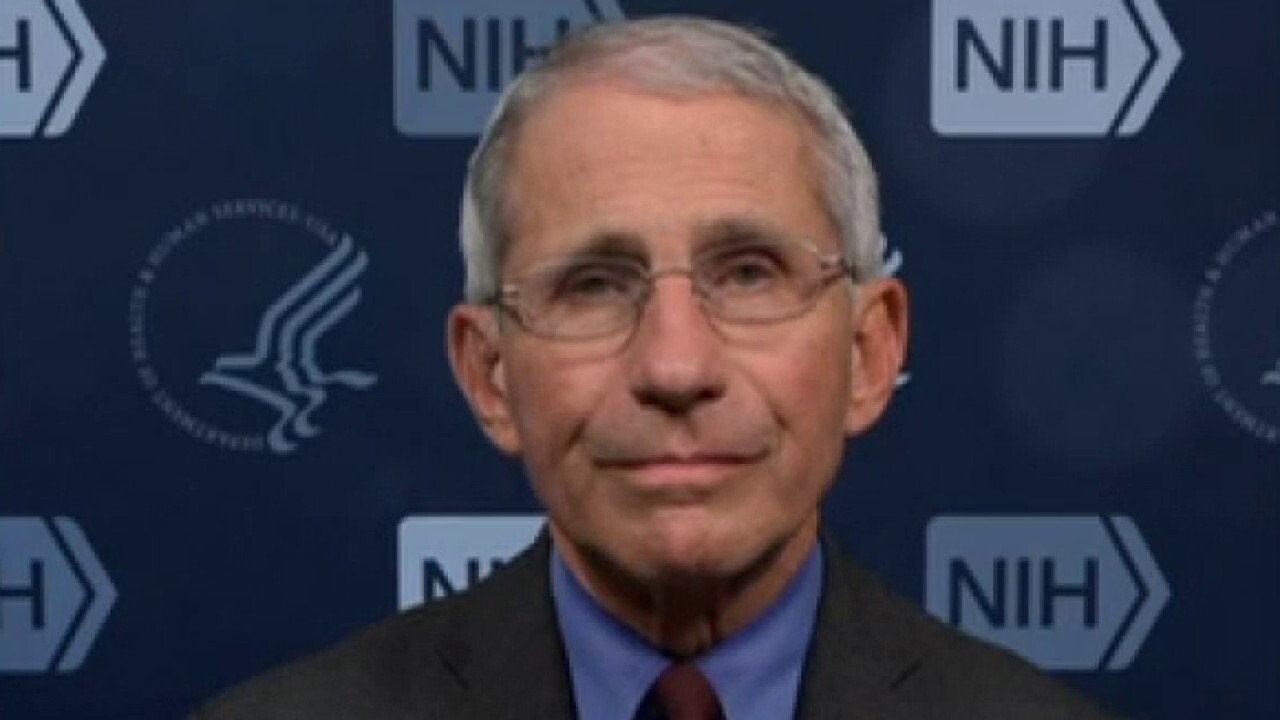
Dr. Anthony Fauci, the government’s top infectious disease expert, said he was alerted to the virus around the same time — and within two weeks was fearful it could bring about a global catastrophe.
Quickly, U.S. intelligence and public health officials started doubting China’s reported rates of infection and death toll. They pressed China to allow in U.S. epidemiologists — both to assist the country in confronting the spread and to gain valuable insights that could help buy time for the U.S. response. U.S. officials also pressed China to send samples of the virus to U.S. labs for study and for vaccine and test development.
On Jan. 11, China shared the virus’ genetic sequence. That same day, the National Institutes of Health started working on a vaccine.
Ultimately, the U.S. was able to get China’s consent to send two people on the WHO team that traveled to China later in the month. But by then precious weeks had been lost and the virus had raced across Asia and had started to escape the continent.

Xi Jinping’s China did this The corrupt, criminal regime wasted 40 days blocking information while it crushed domestic dissent and ensured COVID-19 would become a global pandemic By IRWIN COTLER and JUDITH ABITAN

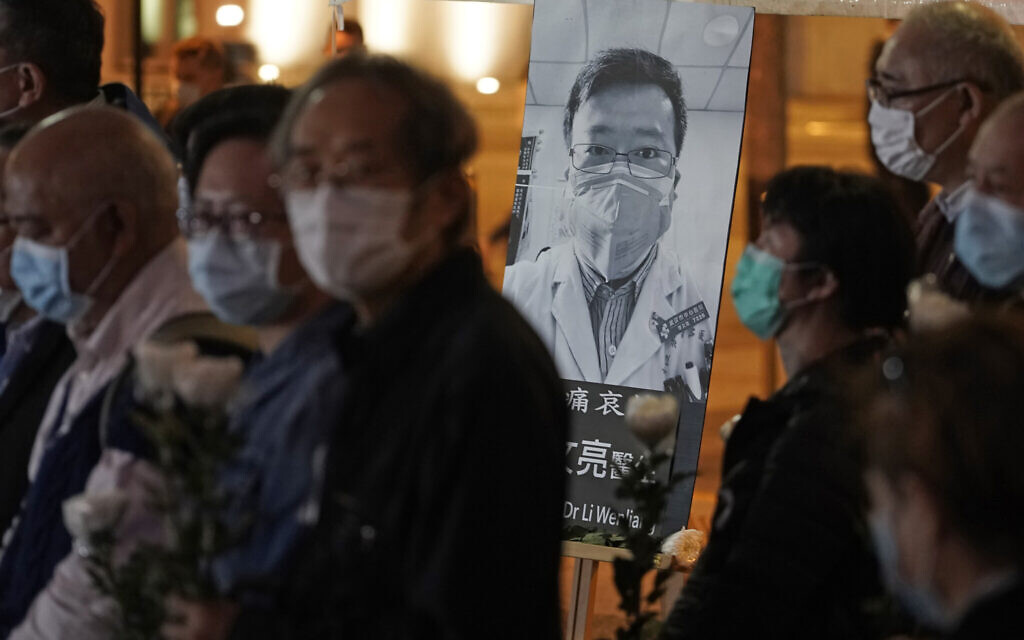
People wearing masks, attend a vigil for Chinese doctor Li Wenliang, in Hong Kong, February 7, 2020. (AP Photo/Kin Cheung)
There is authoritative and compelling evidence — including a study from the University of Southampton — that if interventions in China had been conducted three weeks earlier, transmission of COVID-19 could have been reduced by 95 percent.
For 40 days, President Xi Jinping’s CPC concealed, destroyed, falsified, and fabricated information about the rampant spread of COVID-19 through its state-sanctioned massive surveillance and suppression of data; its misrepresentation of information; its silencing and criminalizing of its dissent; and its disappearance of its whistleblowers.
In late December 2019, Dr. Ai Fen, director of the Emergency Department at the Central Hospital of Wuhan — “The Whistle-Giver” — disseminated information about COVID-19 to several doctors, one of whom was Dr. Li Wenliang, and eight of whom were later arrested. Dr. Ai has recently disappeared.
Dr. Ai also detailed efforts to silence her in a story titled, “The one who supplied the whistle,” published in China’s People (Renwu) magazine in March. The article has since been removed.
On January 1, 2020, Dr. Li Wenliang — the “hero” and “awakener” — was reprimanded for spreading rumors, and was summoned to sign a statement accusing him of making false statements that disturbed the public order. Seven other people were arrested on similar charges. Their fate is still unknown.
On January 4, 2020, Dr. Ho Pak Leung — president of the University of Hong Kong’s Centre for Infection — indicated that it was highly probable that COVID-19 spread from human-to-human, and urged the implementation of a strict monitoring system.
For weeks, the Wuhan Municipal Health Commission declared that preliminary investigations did not show any clear evidence of human-to-human transmission.
On January 14, 2020, the WHO reaffirmed China’s statement, and on January 22, 2020, Director-General Tedros Adhanom Ghebreyesus praised the CPC’s handling of the outbreak, commending China’s Minister of Health for his cooperation, and President Xi and Premier Li for their invaluable leadership and intervention.
On January 23, 2020, Chinese authorities announced their first steps to quarantine Wuhan. By then, it was too late. Millions of people had already visited Wuhan and left during the Chinese New Year, and a significant number of Chinese citizens had traveled overseas as asymptomatic carriers.
On February 23, 2020, Ren Zhiqiang — former real estate tycoon and longstanding critic of the CPC — wrote in an essay that he “saw not an emperor standing there exhibiting his ‘new clothes,’ but a clown stripped naked who insisted he continue being emperor.” He spoke of a “crisis of governance” and the strict limits on free speech, which had magnified the COVID-19 epidemic. He has also gone missing, and it has recently been reported that the CPC has opened an investigation against him.
The world would have been more prepared and able to combat COVID-19 had it not been for President Xi’s authoritarian regime’s widespread and systematic pattern of sanitizing the massive domestic repression of its people.
Forty days of silence and suppression cost Italy — the epicenter of Europe’s COVID-19 pandemic — a death toll of 12%, more than double that of China’s, followed by Spain with a fatality rate of 9%. As we write, the United States — whose presidential leadership has been wanting — has become the pandemic’s new epicenter, and there is heightened concern about what could become of developing countries like India, and South Africa’s immunosuppressed population of over 10 million.
While global infections continue to surge relentlessly upwards, China — ironically — is now considered safer than the majority of countries. The South Korean model — where it pioneered drive-through COVID-19 testing centers collecting swabs from over 15,000 people a day, and quarantining the infected immediately thereafter — is one of the only precedents and case studies to date, along with China, that significantly reduced the number of infected people and fatalities.
Attention should also be drawn to the CPC’s massive surveillance and suppression of data juxtaposed with its misrepresentation of information. China’s big data collection — approximately 200 million CCTV cameras — not only precipitated the highest tech epidemic control ever attempted by the CPC, but also underpinned the salience of its repression.
The CPC’s infodemic — in addition to its intense spinning of solidarity on social media and its framing of a “people’s war against the virus” — was both a deceitful and farcical illusion of a coming together in China. The extent of the CPC’s self-promotion and its portrayal of President Xi as a hero ready to save the world — while making Western democracies look grossly incompetent — is as shameful as it is duplicitous.
In a word, President Xi’s government has exacerbated the world’s COVID-19 health and systemic crises, which has paved the way for one of the greatest humanitarian crises in history.
The world is watching. People in China no longer stand alone. Many are no longer fearful. They have already started publishing firsthand accounts of the CPC’s orchestrated cover-ups and monumental failures, revealing the rotten core of Chinese governance.
In defending the struggle for democracy and human rights in China, the international community must stand in solidarity with the people of China in seeking to unmask the CPC’s criminality, corruption, and impunity.
The community of democracies must undertake the necessary legal initiatives — be they international tort actions as authorized by treaty law, or the utilization of international bodies, like the International Court of Justice — to underpin the courage and commitment of China’s human rights defenders. This is what justice and accountability is all about.

What Will Happen if the Coronavirus Vaccine Fails? A vaccine could provide a way to end the pandemic, but with no prospect of natural herd immunity we could well be facing the threat of COVID-19 for a long time to come. by Sarah Pitt

  There are  over 175  COVID-19 vaccines in development. Almost all government strategies for dealing with the coronavirus pandemic are base...